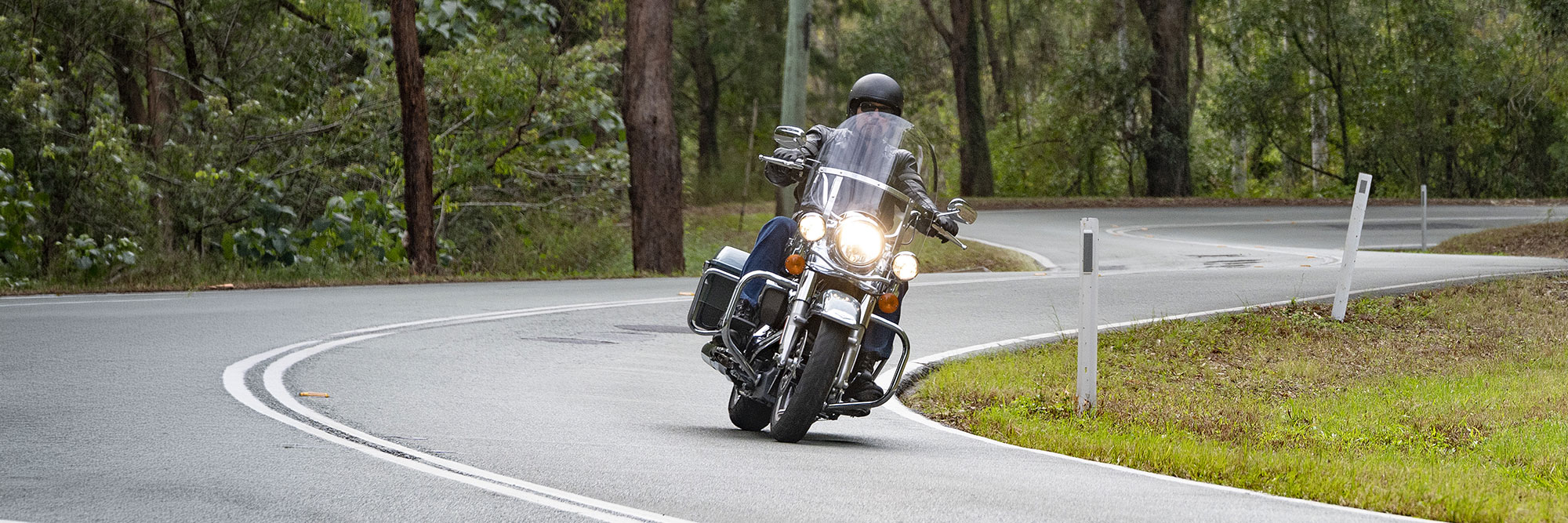
DATELINE MAY 2020: “Yeah, it does handle surprisingly well,” Spook said after he’d done the umpteenth U-turn during the photo shoot.

We were making our way up the Springbrook road on the Gold Coast Hinterland and he was repeatedly jumping off his Breakout and onto the Road King for the ride-by shots.
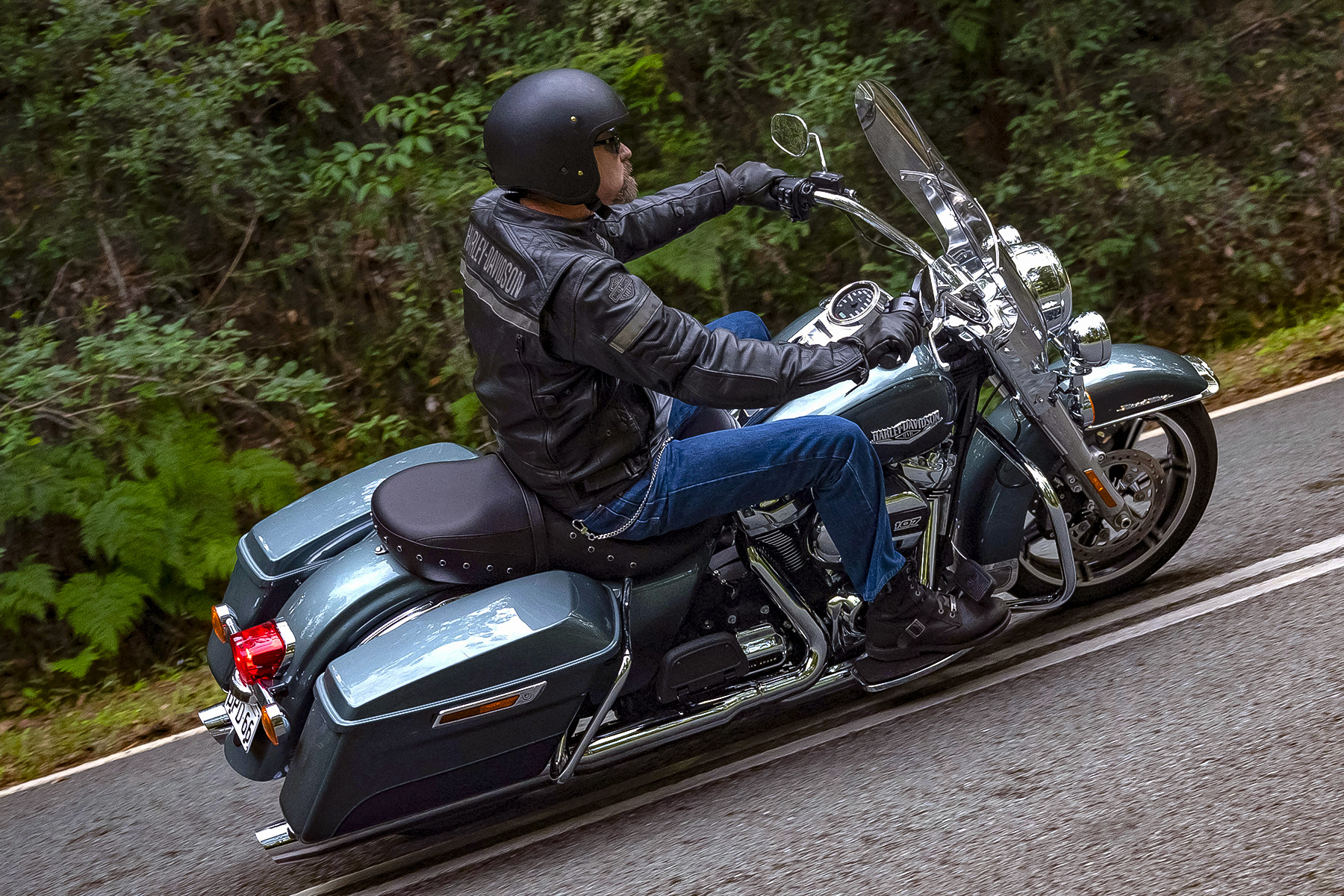
He was absolutely correct too, for a machine that tips the scales at 360kg dry, it handles like a much smaller and lighter bike.
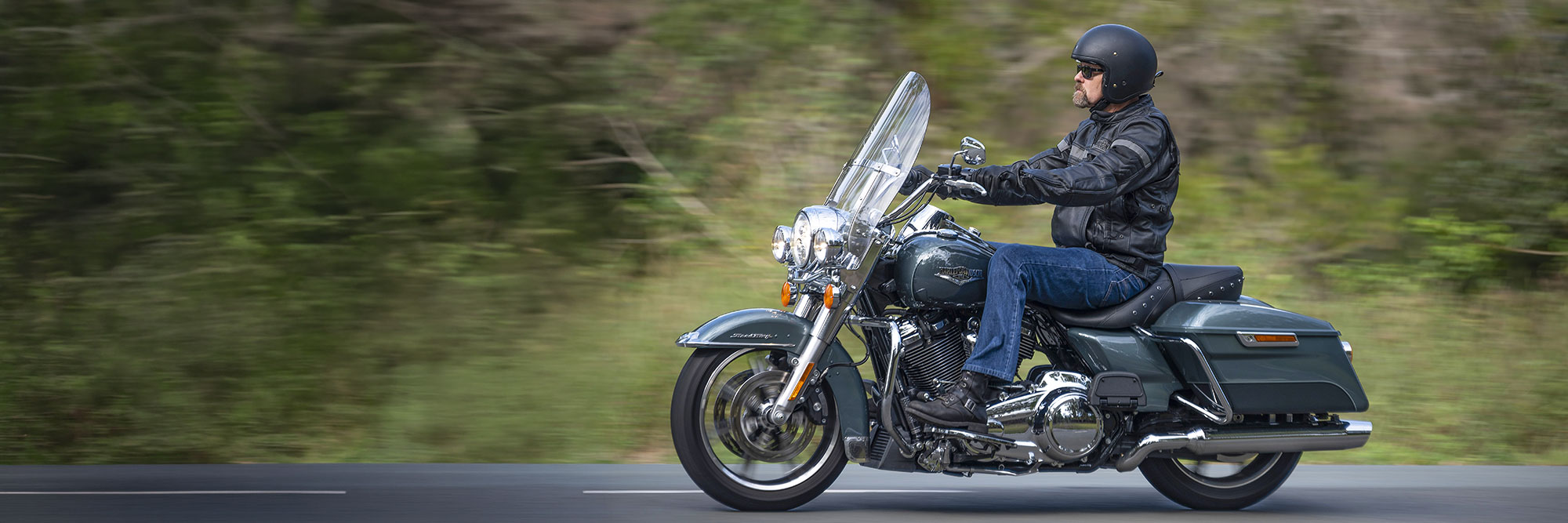
The latest in the line of storied FLHR motorcycles has evolved to a point where it has become a very accomplished all-round machine. This is no longer “just” a large-capacity touring bike.
For a machine that tips the scales at 360kg dry, it handles like a much smaller and lighter bike.
Going back to issue #149 of Heavy Duty and our first test of the current configuration featuring the 107-cube M8 engine, and all the ensuing Milwaukee-Eights we’ve ridden since, the new motor has become better, tighter and a little more pleasant with every model year.
Peak 107?
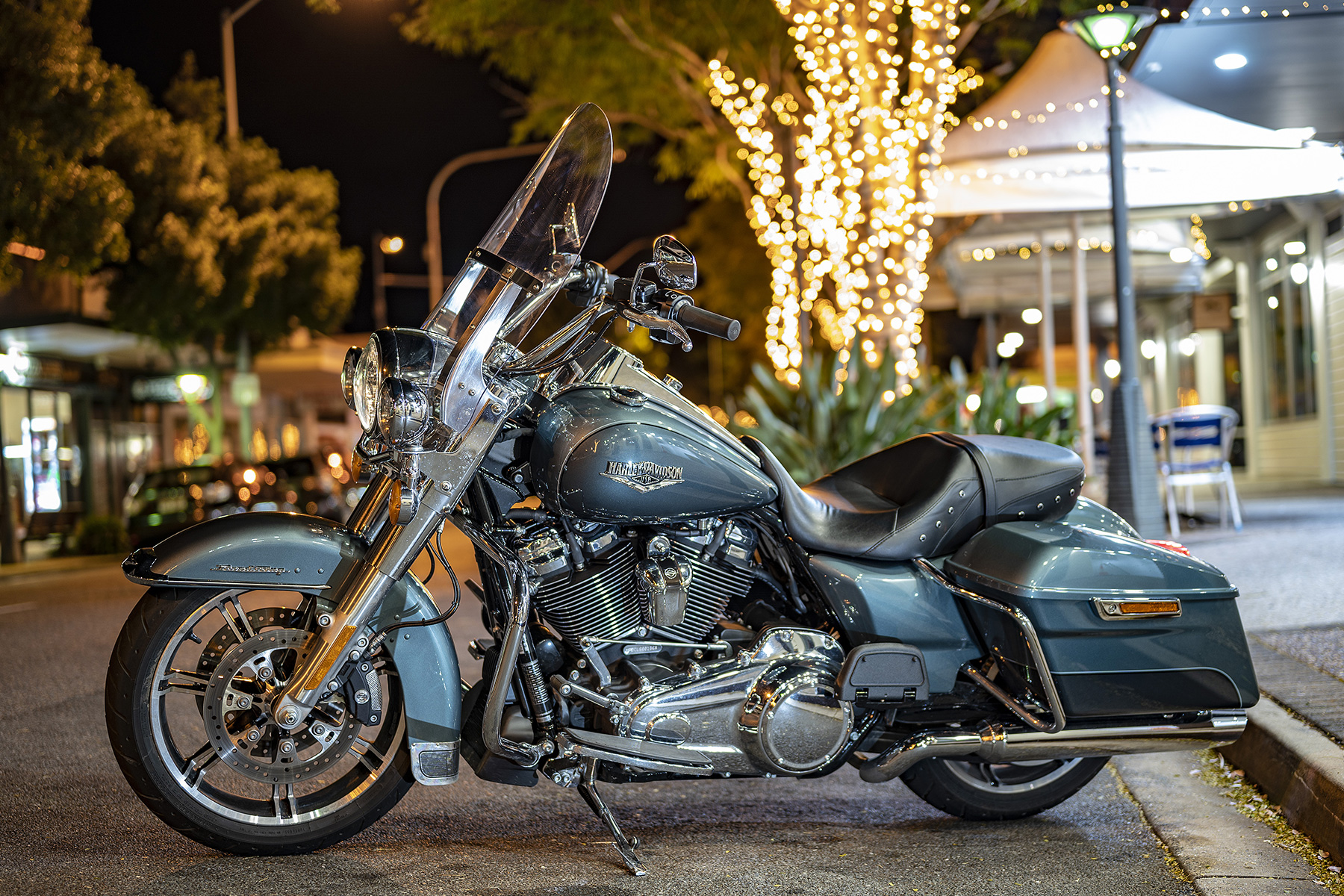
As far as stock engines are concerned, this is easily the sweetest and smoothest of the several dozen I’ve tested so far. And yes, I have written that several times on these esteemed pages, but that’s because every one of them since that ’17 has raised the bar — and shield — slightly.
For 2020 it has the same 100x111mm bore and stroke, it still displaces 1746cc with a 10:1 compression ratio, it still produces 150Nm at 3250rpm, but somehow, it’s just a little bit nicer.

I don’t know if we’ve reached “peak 107” yet, but this motor must be getting pretty close. I found myself constantly having to check the speedo because it’s so easy to exceed the limit on this bike. So effortless and refined has it become.
Seriously. A number of times I was just cruising along during the two-week test, looked down at the tank-mounted instrument cluster and went, “Ooops, slow down Davey-boy.”
Or maybe the engine feels nicer because the whole package has improved overall.
There are a few things that have remained constant throughout. The linked Brembo brakes, with 32mm four-piston fixed front and rear discs, are still excellent stoppers with a really nice feel to them. The ABS has become quieter and smoother than earlier incarnations too.
The 49mm dual bending valve front forks and Premium Standard preload-adjustable rear shocks combine with the 1625mm wheelbase, 26-degree rake and 170mm trail to give a planted, solid and very confidence-inspiring feel on the road.
Big Wheels
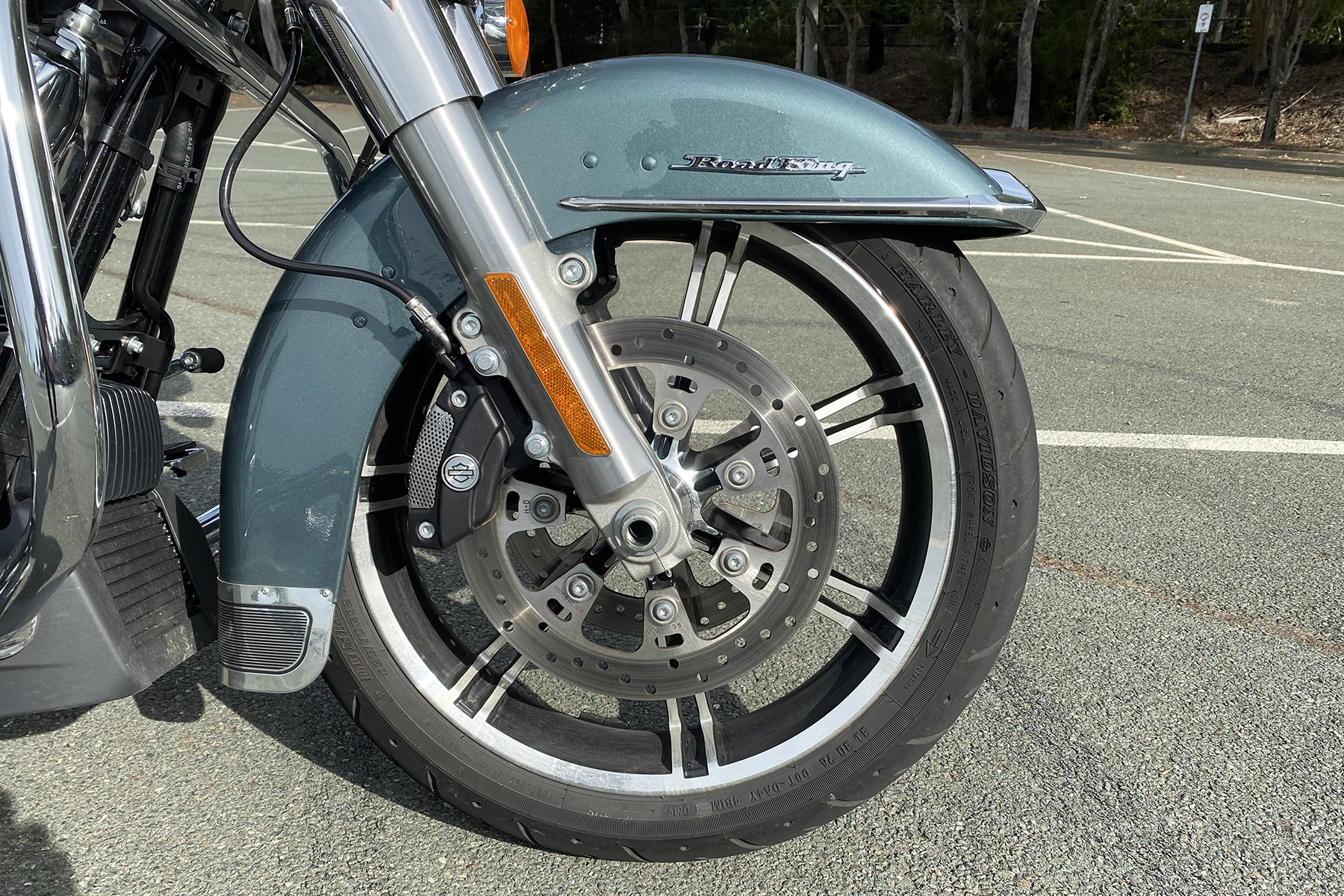
That has all been enhanced by the new wheels front and rear. They have changed significantly from the 2017 unit. The older model had Impeller Cast rims. The front was a 17-inch x 130 and the rear was a 16-inch x 180. Now it has been fitted with great-looking 18-inch Slicer wheels both front and rear. The front is still a 130 section and it has the same 180 rear.
Harley claims they have lighter unsprung weight and what they have done for sure is taken the overall handling up a notch.
The larger diameters feel like they have helped with ground clearance for the big footboards and have enhanced the manoeuvrability, flick-ability and all-round nimbleness of the machine.
The lean angles remain the same as the previously claimed 32 degrees, but the new model definitely feels like it tips in further and harder — and it absolutely feels more agile.
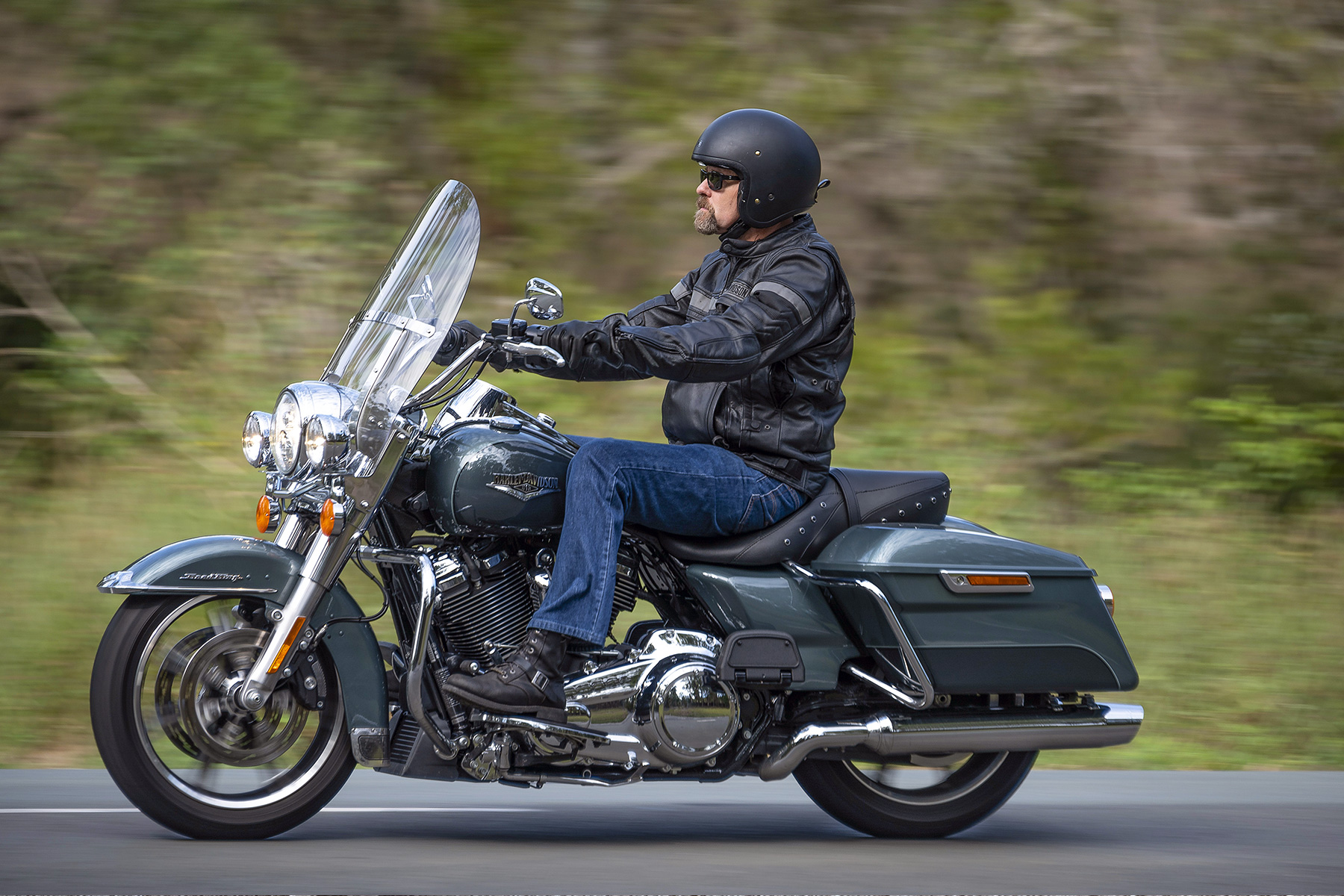
Flicking the Road King around inner-city manhole covers or changing line to miss the potholes on the Springbrook road proved quite delightful and consigned the heavy-machinery feel of much older Road Kings to history. They have also given the bike a much leaner look and style, without compromising its heritage look.
It’s a style that is unmistakably FLHR. I showed my 90-year-old father the bike and he said, “It’s just like my ’42 except for the saddle.”
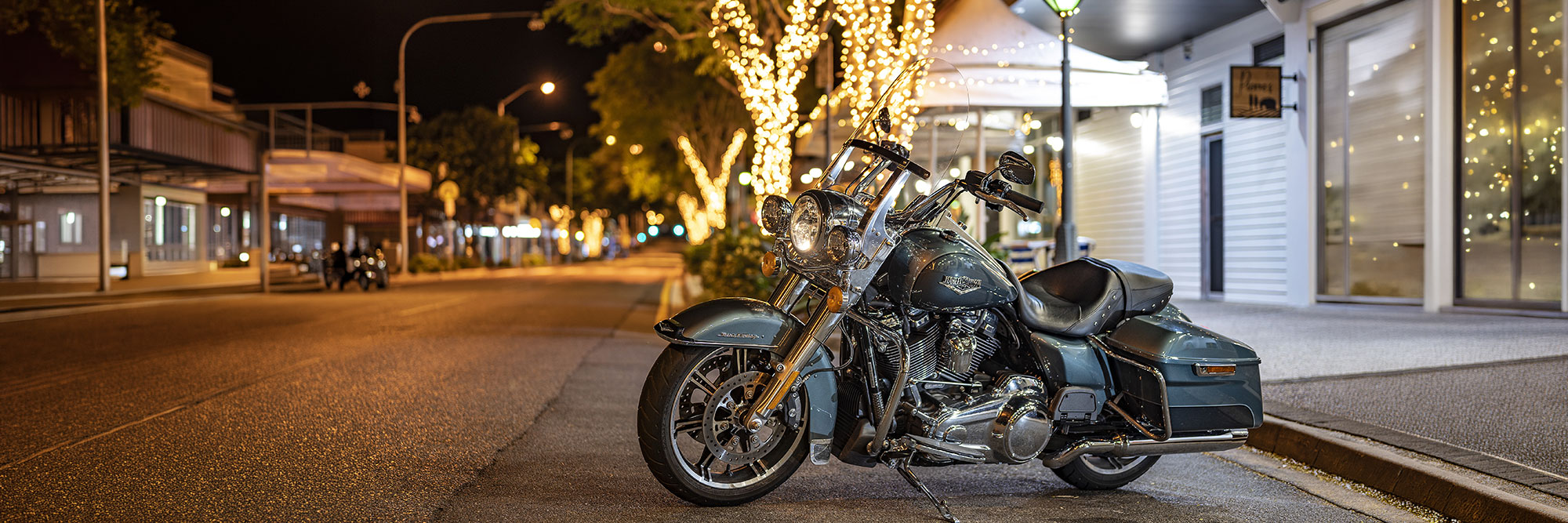
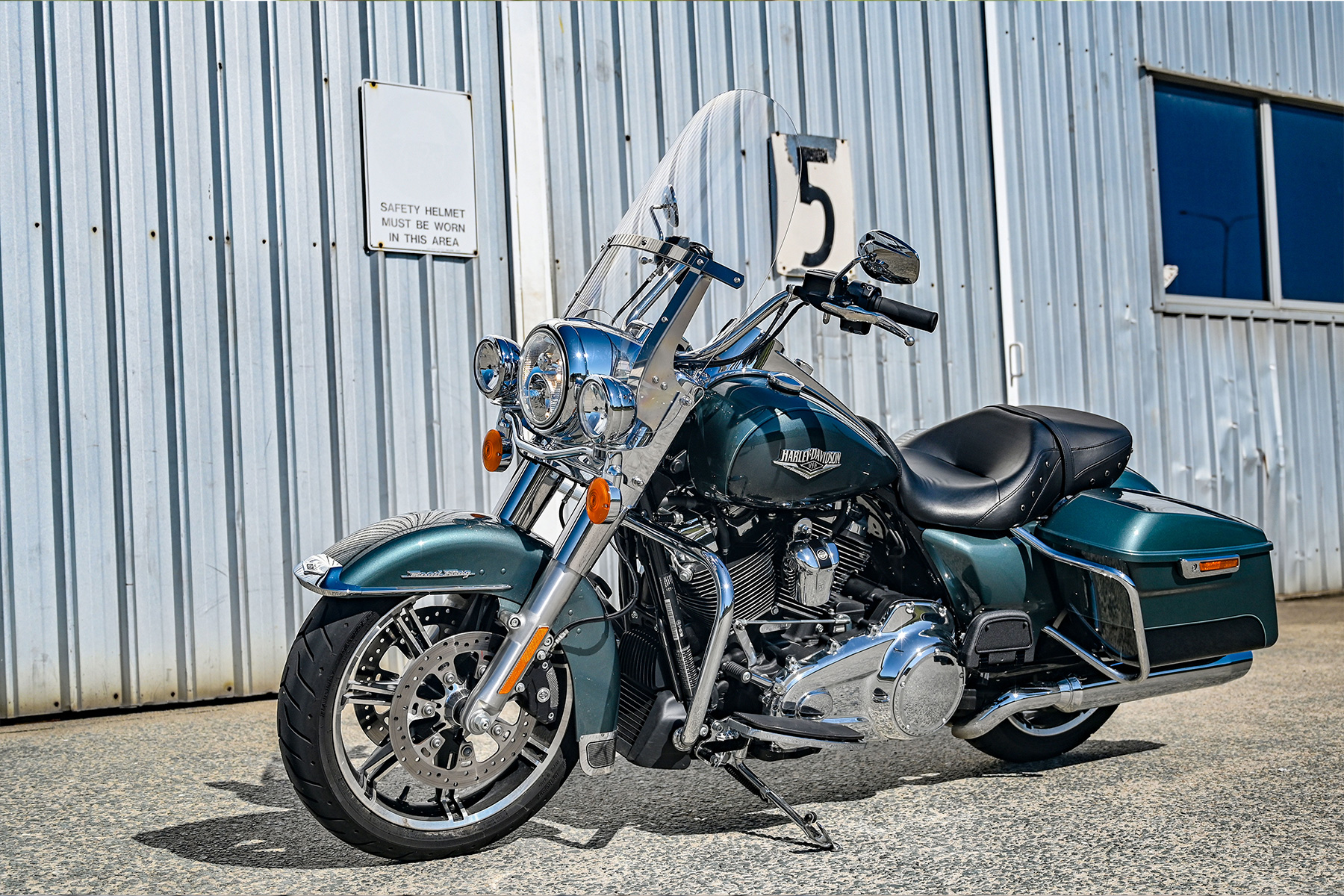
It still has the beautifully chromed Hiawatha headlamp nacelle and running lights — that light the way brilliantly — and it still has Harley’s beautiful paint and finish. The Silver Pine and Spruce colours on the test bike had a deep pearl that changed hue slightly depending on the ambient light. Nearly everyone commented on how classy the bike looked. It has a beautiful line.
More Than A Pretty Face

But it’s not only just how this bike looks and the emotions it stirs. Sure, it does make me feel like the King of the Road when aboard, and I did mutter to myself “Just look at that!” several times when I stepped back to photograph it, but over the course of two weeks I did a ton of different riding in a variety of conditions.
Around town, from peak-hour snarls to leisurely boulevard cruising to running errands, it was a delight. The EFI didn’t stumble once, even in the daily gridlock, the clutch didn’t get heavy, the gearbox was crisp and precise and the motor purred with minimal vibes throughout.
On the days where I got amongst it on both the Gold Coast and Sunshine Coast Hinterlands, and the environment ranged from tight and twisty mountain ways to fast open countryside with long open sweepers, with an hour or more of freeway to get to the best riding spots, the bike was almost flawless.
I even did a section of nicely graded smooth dirt and it was sure-footed throughout. In the loose stuff those excellent linked Brembos and the confidence-inspiring ABS made for a relaxed run — even on the really loose stuff.
This is the one I would buy. This is me.
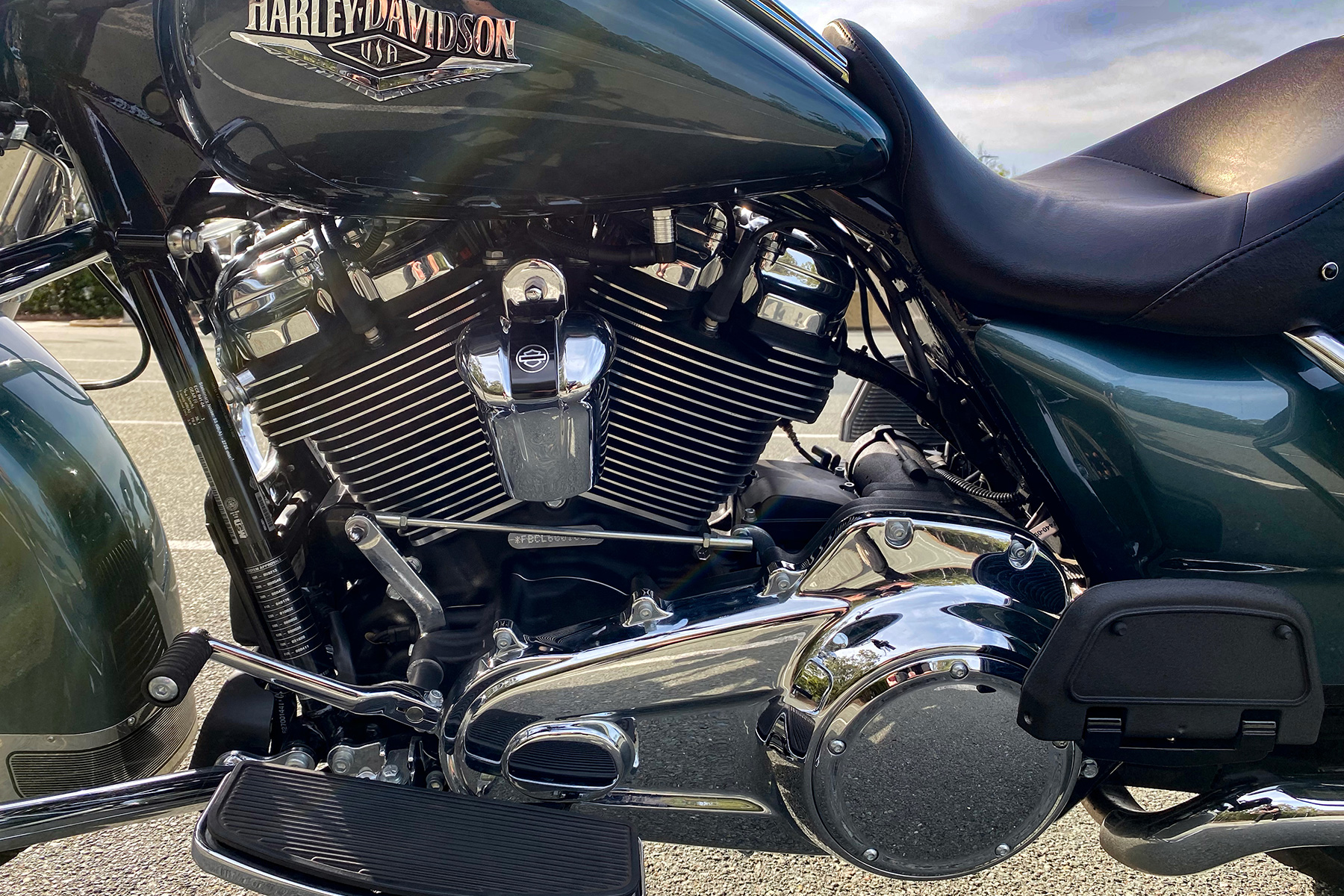
Same for hooking in on the twisties. The balance of the bike is outstanding. It could do with a little more rear suspension travel on the really rough going if you get too far off the beaten track, but the 18-inch wheel combo makes for a big touring bike that is still very rewarding on a mountain pass. It has much grin-worthy versatility.
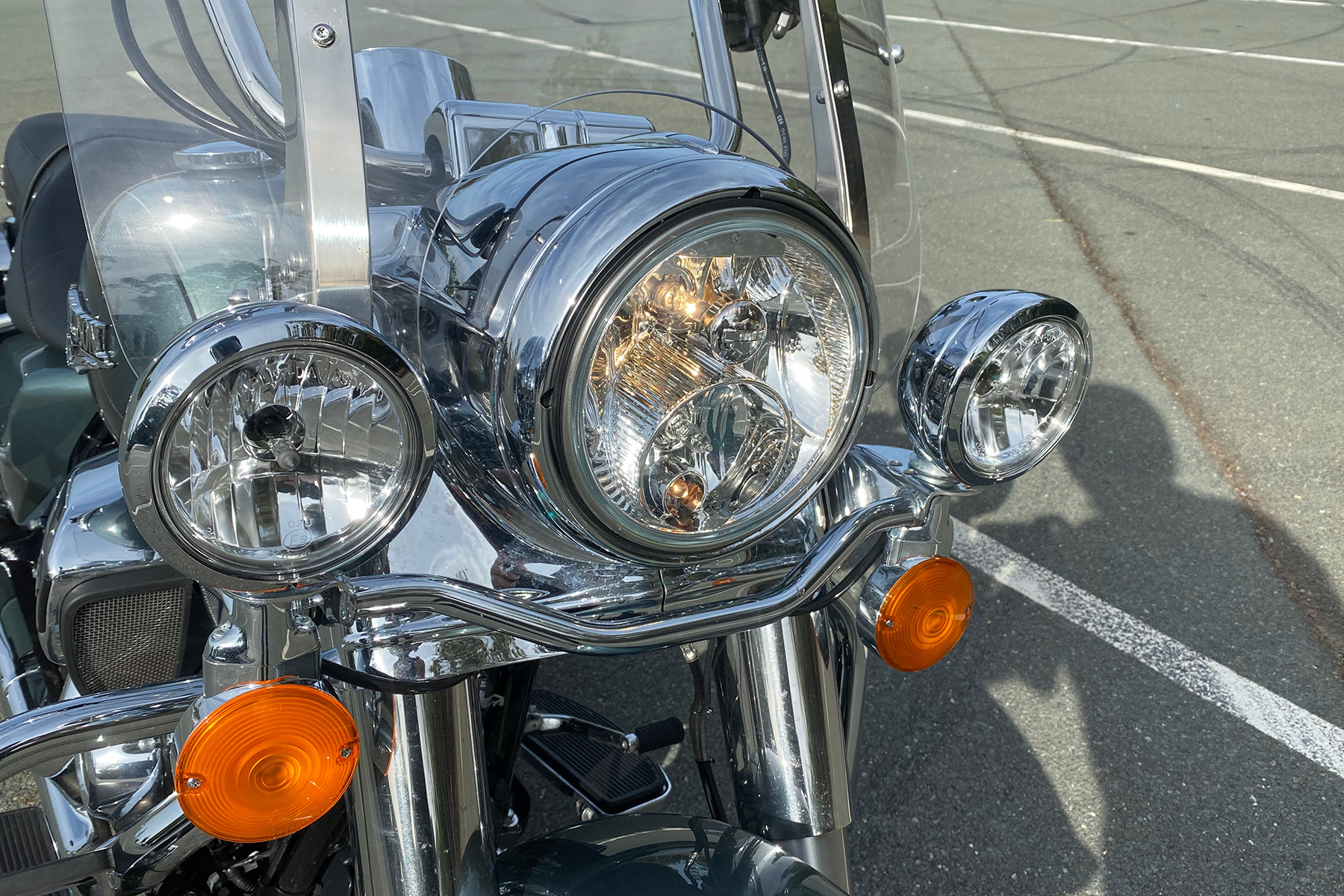
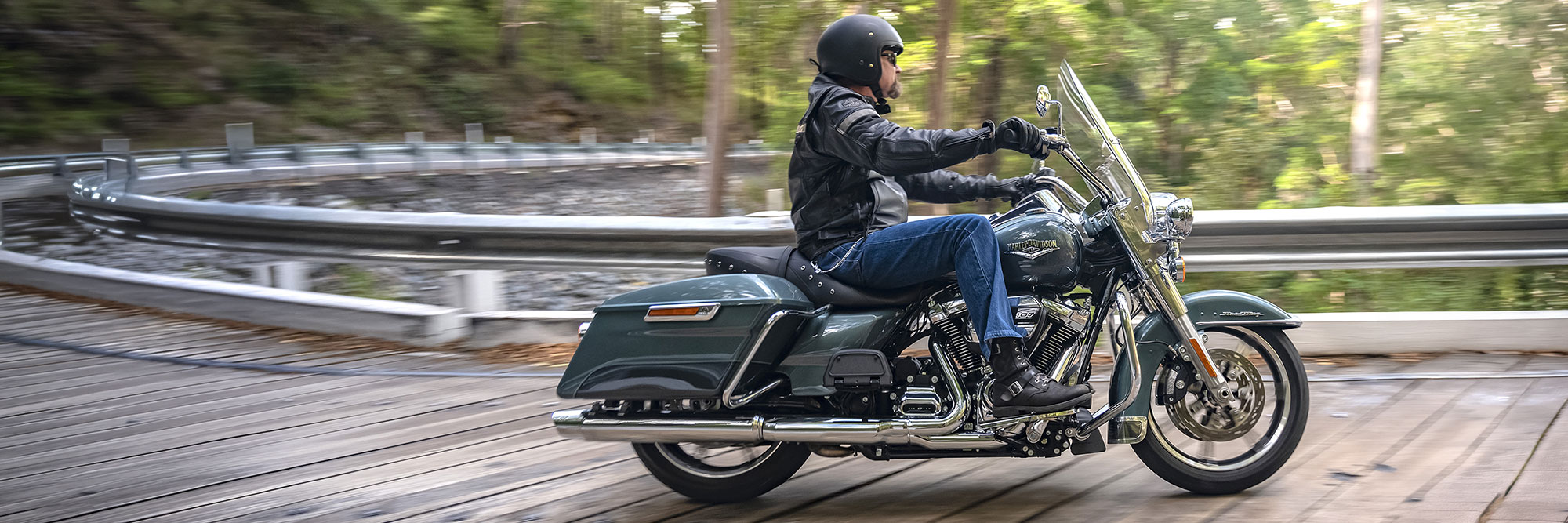
Then, when you get back on the freeway, it’s as easy as dialling in the excellent cruise control, hunkering down behind that big, easily removable windscreen, sinking back into the wonderfully comfortable and plush all-day saddle, stretching out on the big footboards and watching it all roll by in supreme style and comfort. Solid, planted and plush.
“But I still prefer my bike,” was Spook’s final word.
“Oh, I wouldn’t.”
As I told anyone who would listen over the course of the test — while trying to keep the ego in check — I’ve ridden pretty much every model of new Harley-Davidson over the last 20 years and this is the one I would buy. This is me.
I like nearly everything about this motorcycle, right off the showroom floor. I’d chuck a Stage One at it and it would be job done.
Surprisingly well.


Guts and Bolts
Performance
Torque150Nm
Torque rpm3250
Right lean angle32°
Left lean angle32°
Engine
TypeMilwaukee-Eight 107
Bore100mm
Stroke111mm
Displacement1746cc
Compression10.0:1
Fuel systemESPFI
ExhaustChrome 2-1-2 dual exhaust
Frame
Length2450mm
Seat height705mm
Ground clearance135mm
Rake26°
Trail170mm
Wheelbase1625mm
Front tyreBW 130/70B18 63H
Rear tyreBW 180/55B18 80H
Touring
Fuel capacity22.7 litres
Oil capacity4.9 litres
As shipped360kg
Running order375kg
Luggage volume0.064m³
A Long Affair with Road Kings
Back in 2002 I referenced the first Road King test I produced with lyrics from Roger Miller’s immortal 1965 hit, King of the Road. I sure shot that bolt early, because I’ve penned a dozen features chronicling my admiration for the machines ever since. There have been some wonderful motorcycles along the journey.
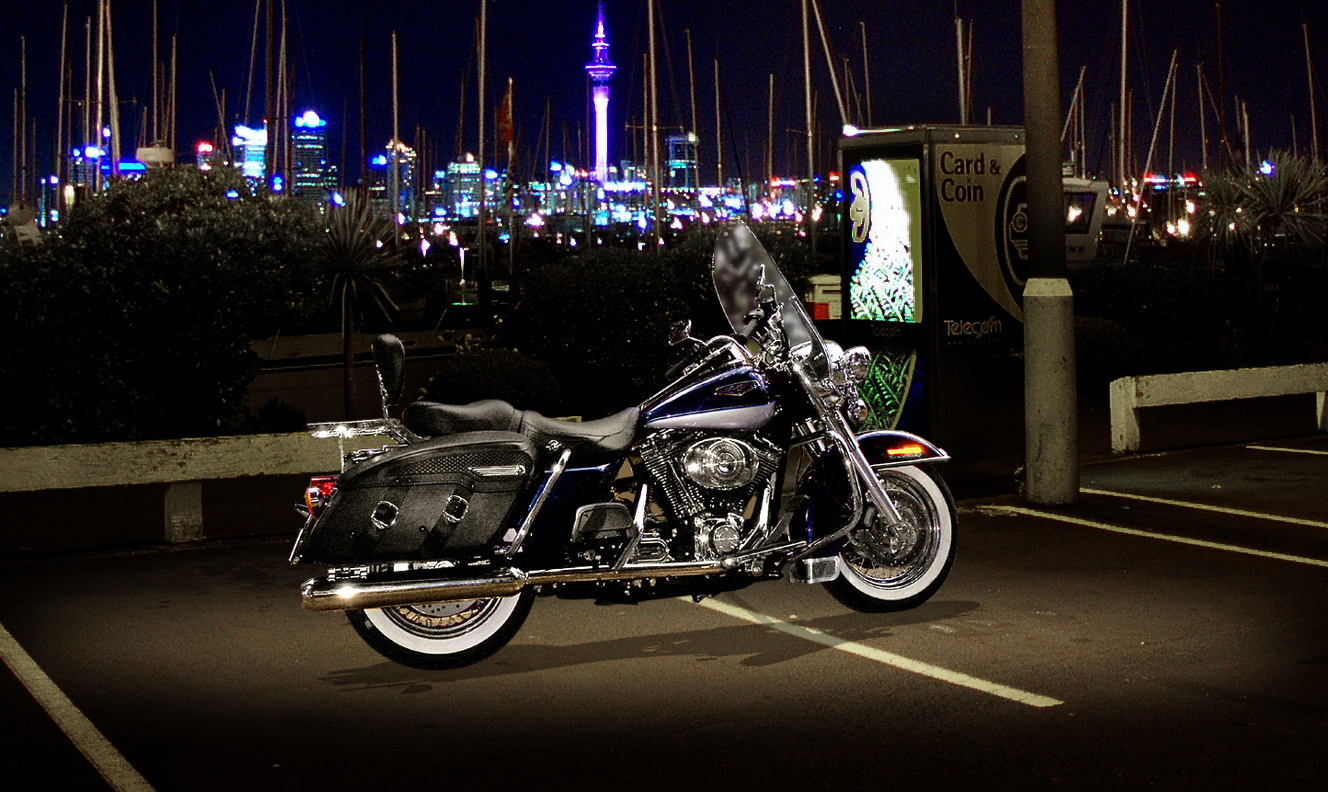
2001 Road King Classic
’02 started for me with a test on a 2001 Road King Classic that goes back to before I was shooting digital and had to scan prints. That machine got me hooked. I loved it, even though it was rather primitive by today’s standards.
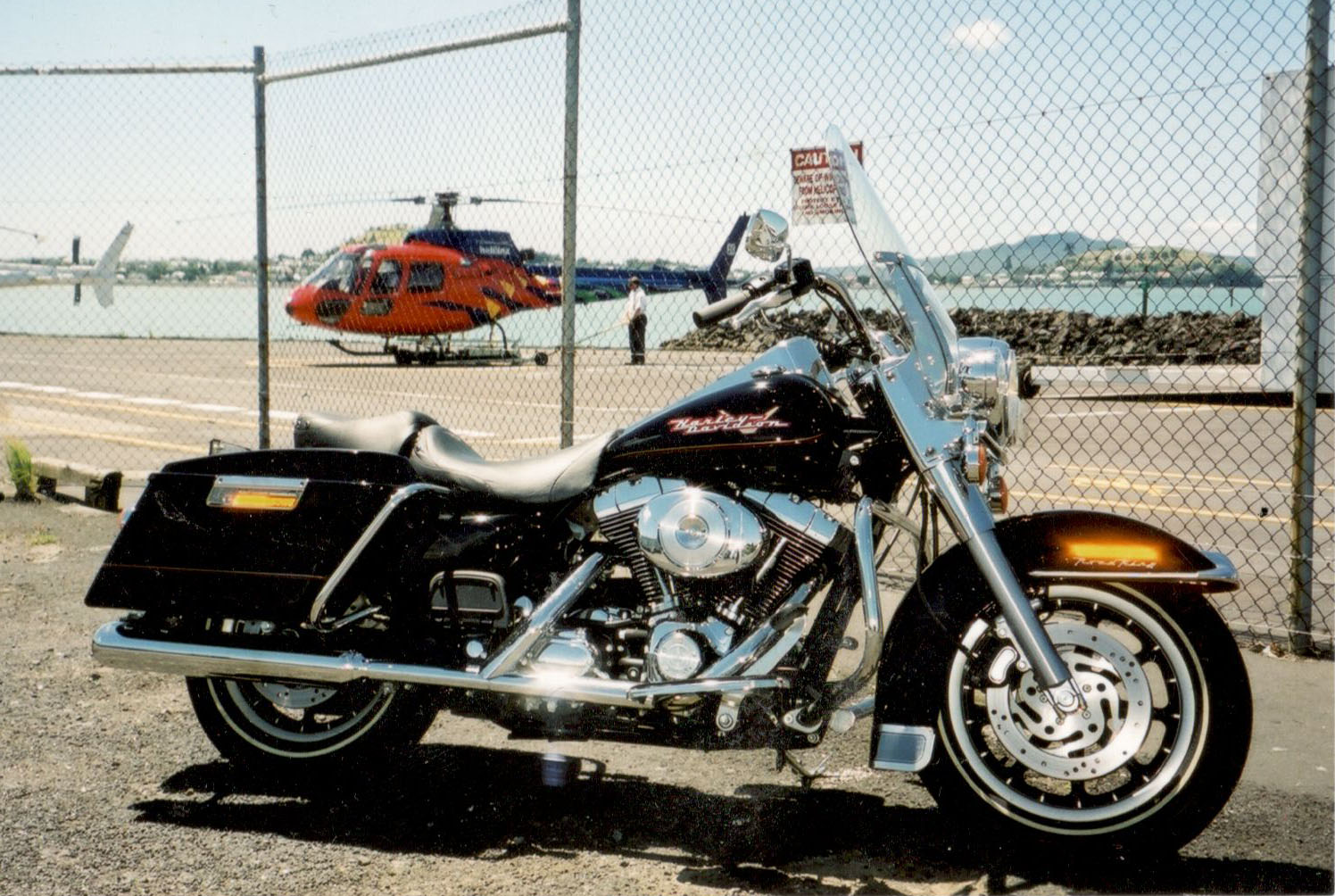
2002 Road King Standard
In 2002 I had my first taste of a Road King Standard. This one sang to me loudly and I’ve preferred the look and function of the hard luggage since.
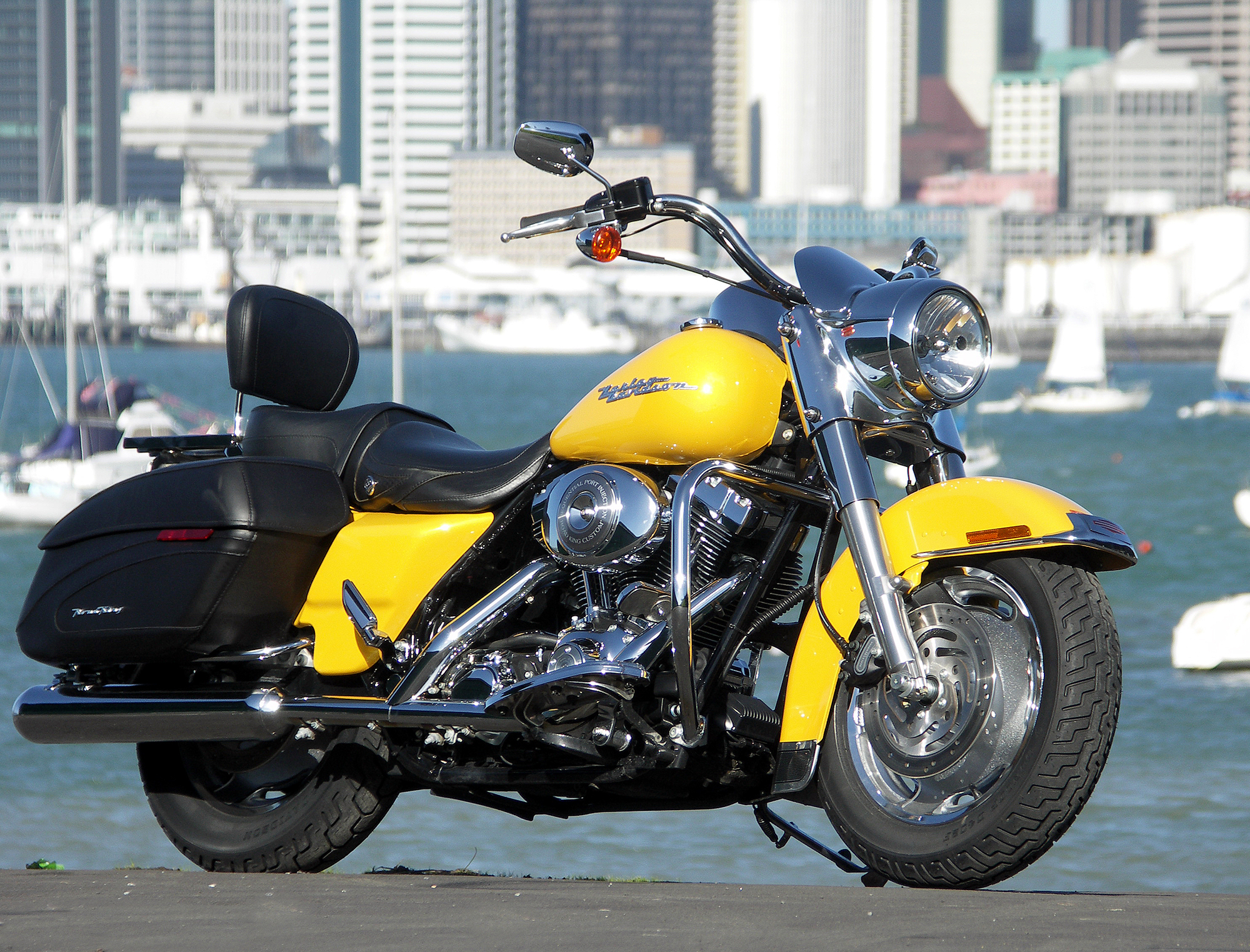
2005 Road King Custom
A few years later I got to spend some time with the Yellow Terra, a Road King Custom with a chrome speed screen and a look-at-me finish.
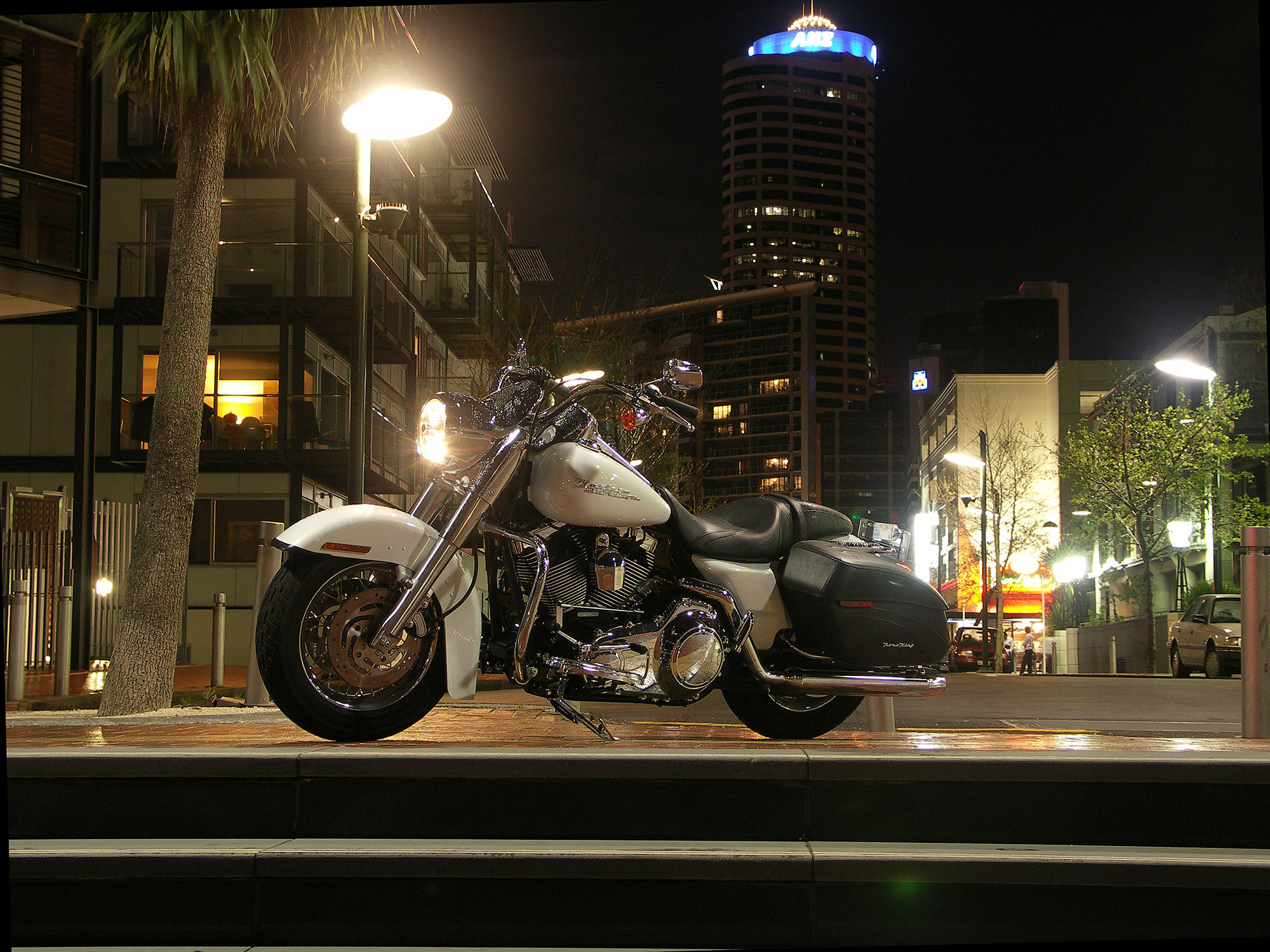
2006 Road King Custom
Another Custom spent a few weeks in my garage. The white one was a very classy looker that I had a hard time giving back.
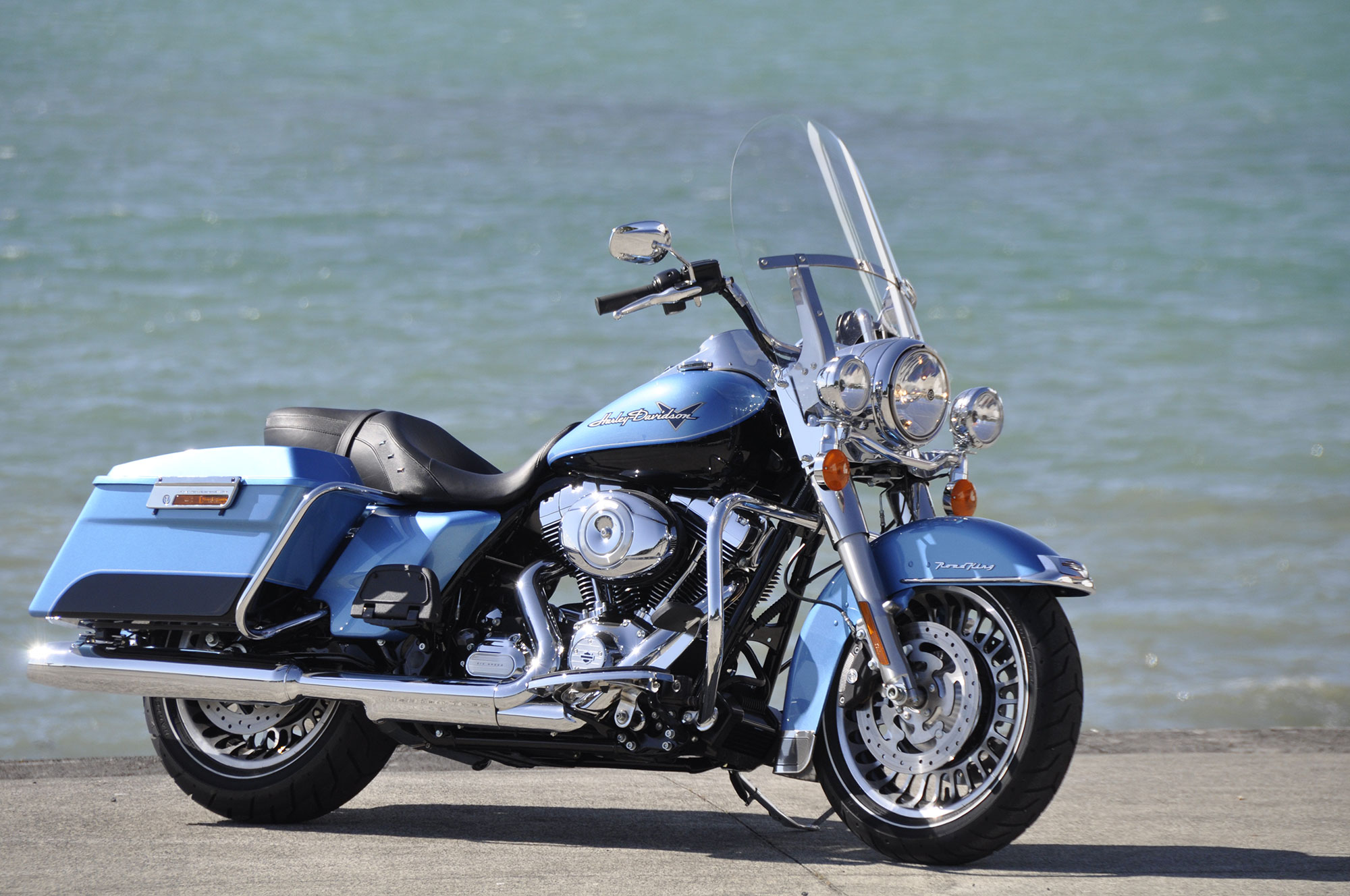
2010 Road King
In 2010 we did a tour piece for HOG magazine aboard a very tasty 96-cube unit. This is where my appreciation of the model really started to ramp up. Its handling and road manners made a significant jump in model year 2008 and they started leaving the Softails’ handling a long way behind.
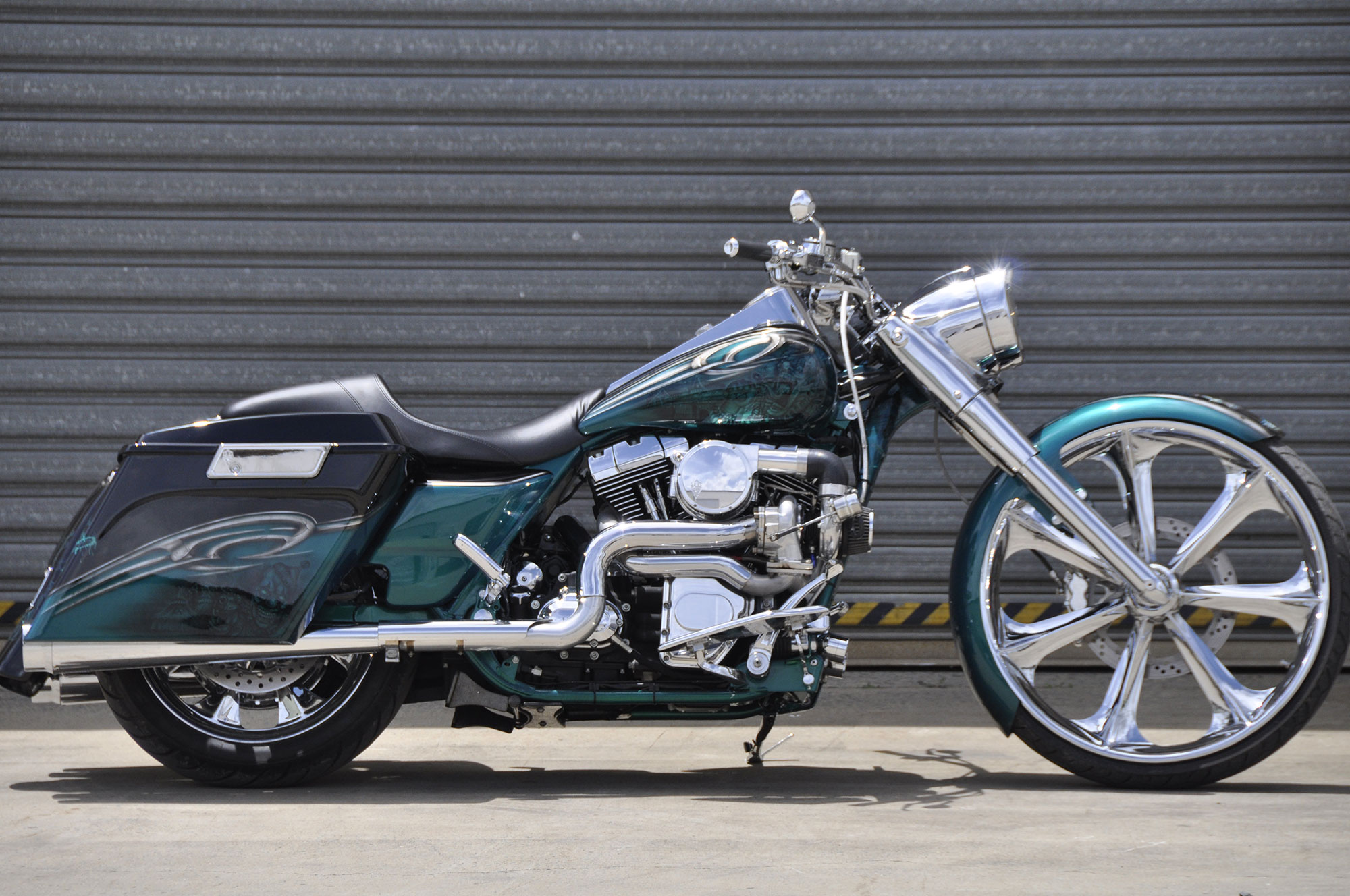
2011 Turbo Build
In 2011 I had my first taste of a big-wheel bagger with this wild Turbo build by Chopperworks. Mind blown. Potential shown.
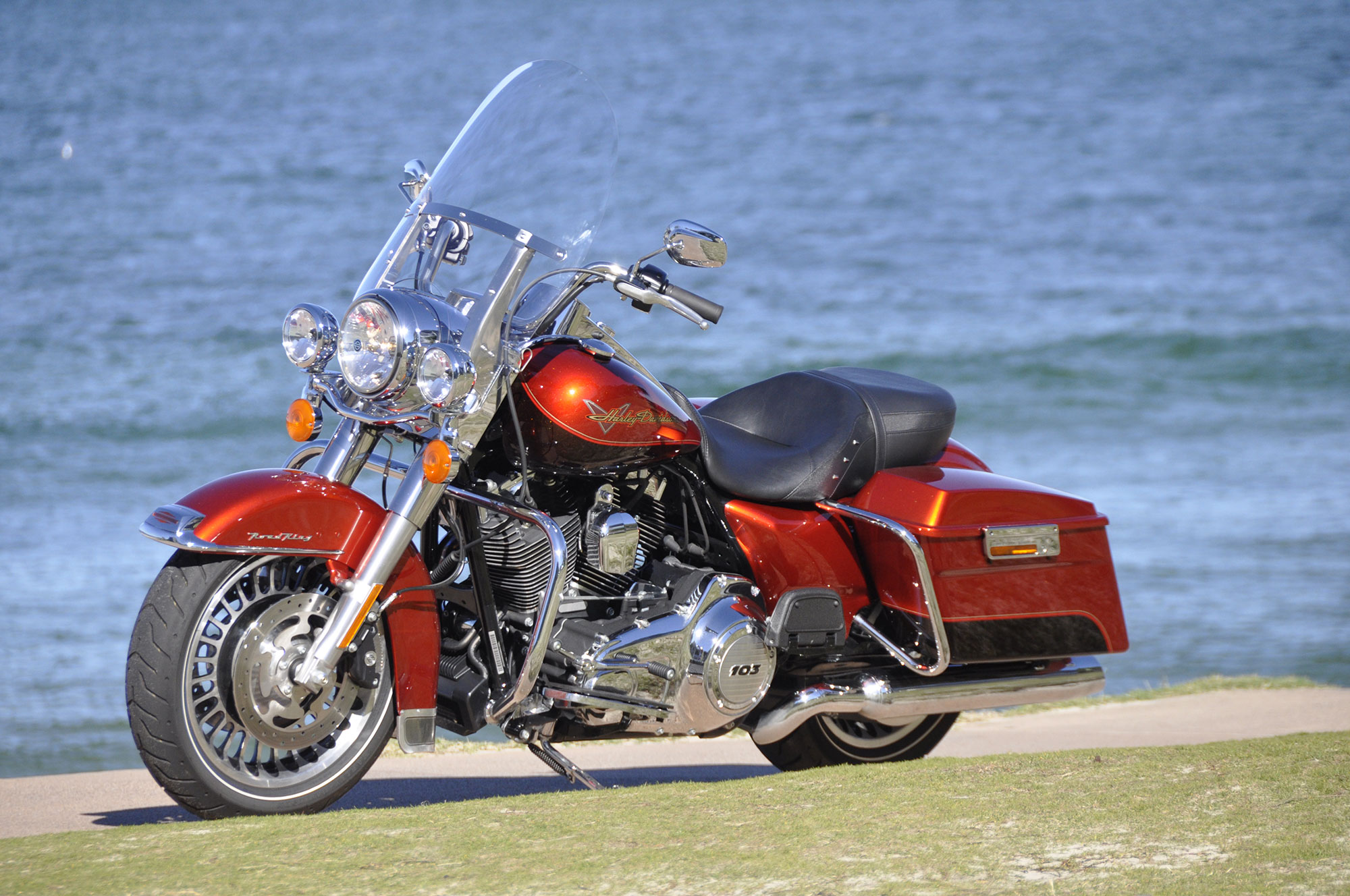
2013 Road King
In 2013 the lust went next level again with my first taste of this 103-cube unit that I spent a few weeks riding the wheels off around South-East Queensland for Heavy Duty, with a stupid grin on my dial.
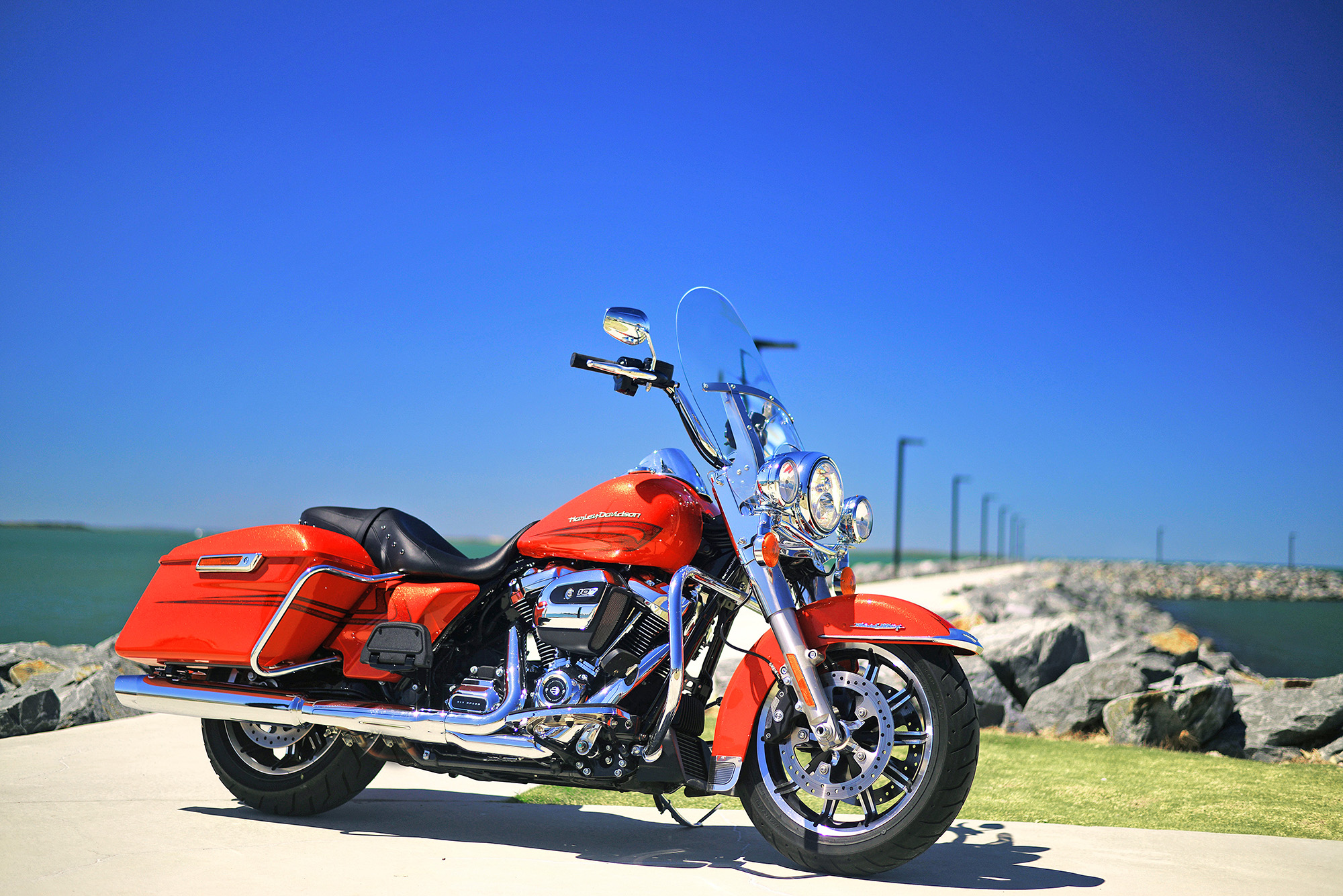
2017 Milwaukee-Eight
Late in 2016 Heavy Duty were the first to get our hands on a breakthrough Milwaukee-Eight-powered 2017 model and the game changed again, significantly. The Road King was now a smooth, muscular and very responsive bagger — but it still had the killer looks that hooked me at the start.
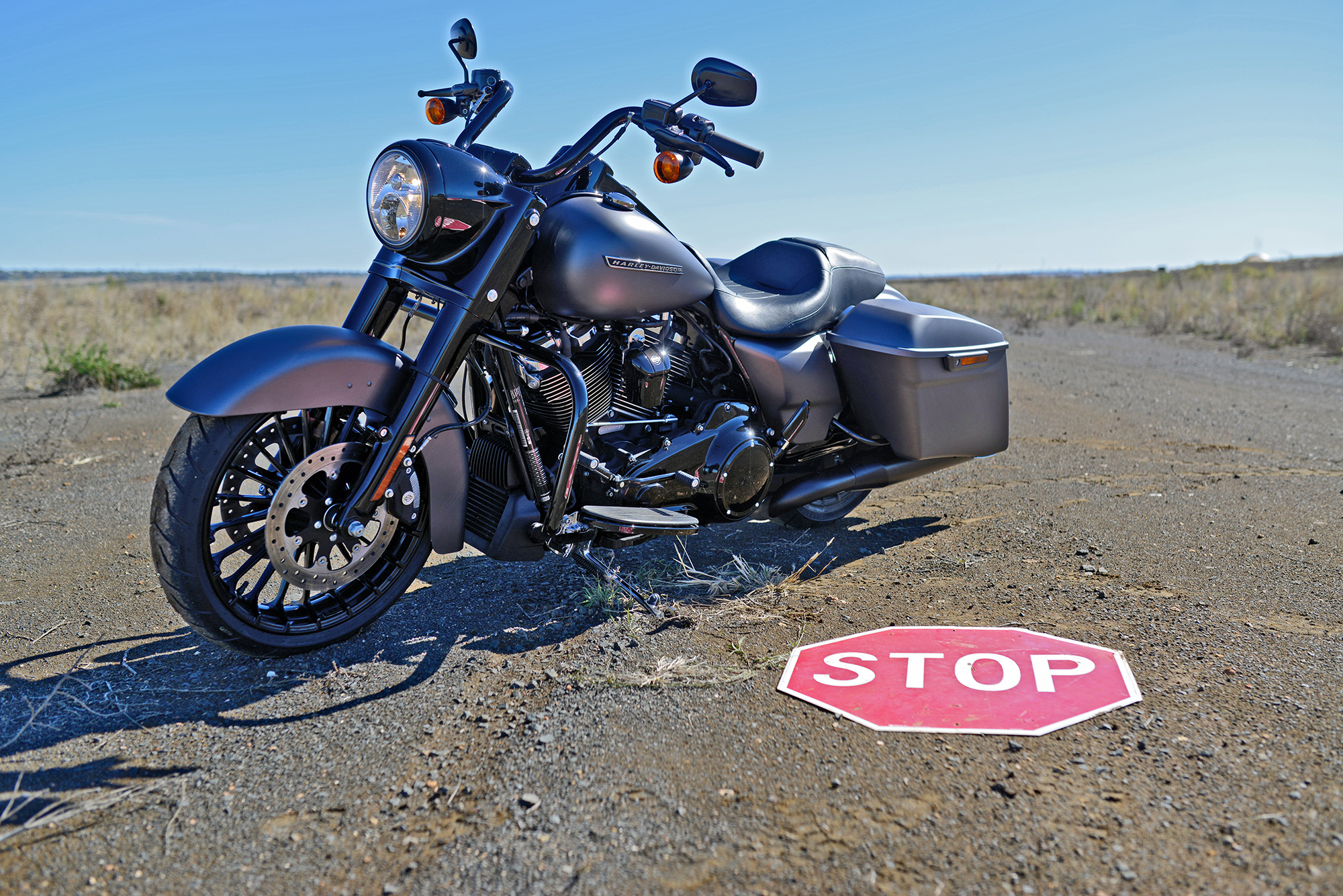
Stage 5 Road King Special
Late in 2017 we started to see what the power builders could do with the new platform and normally aspirated engines with a ride on a Stage 5 Road King Special built by DDH-D at Toowoomba. Suddenly the Road King could have 130 horsepower and become a fast road bike.
Stage 4 Road King Special
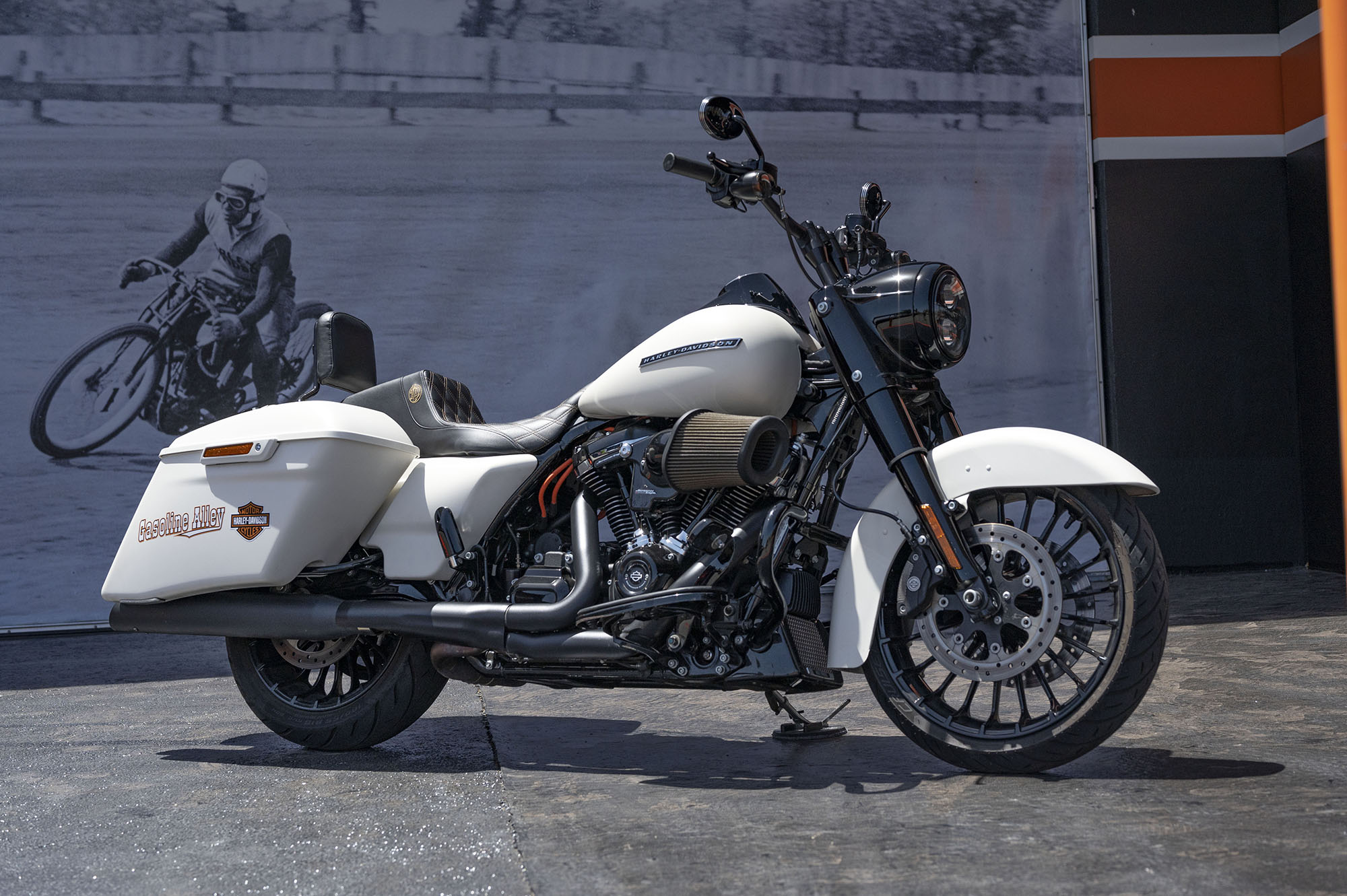
2019 followed with a run on a Stage 4 Special build by Gasoline Alley that was pumping out 135 horses and had a full handling and suspension upgrade. Now we had a Road King that wouldn’t be embarrassed on a track day, yet it was still very rideable around town.
Sidecar Interlude
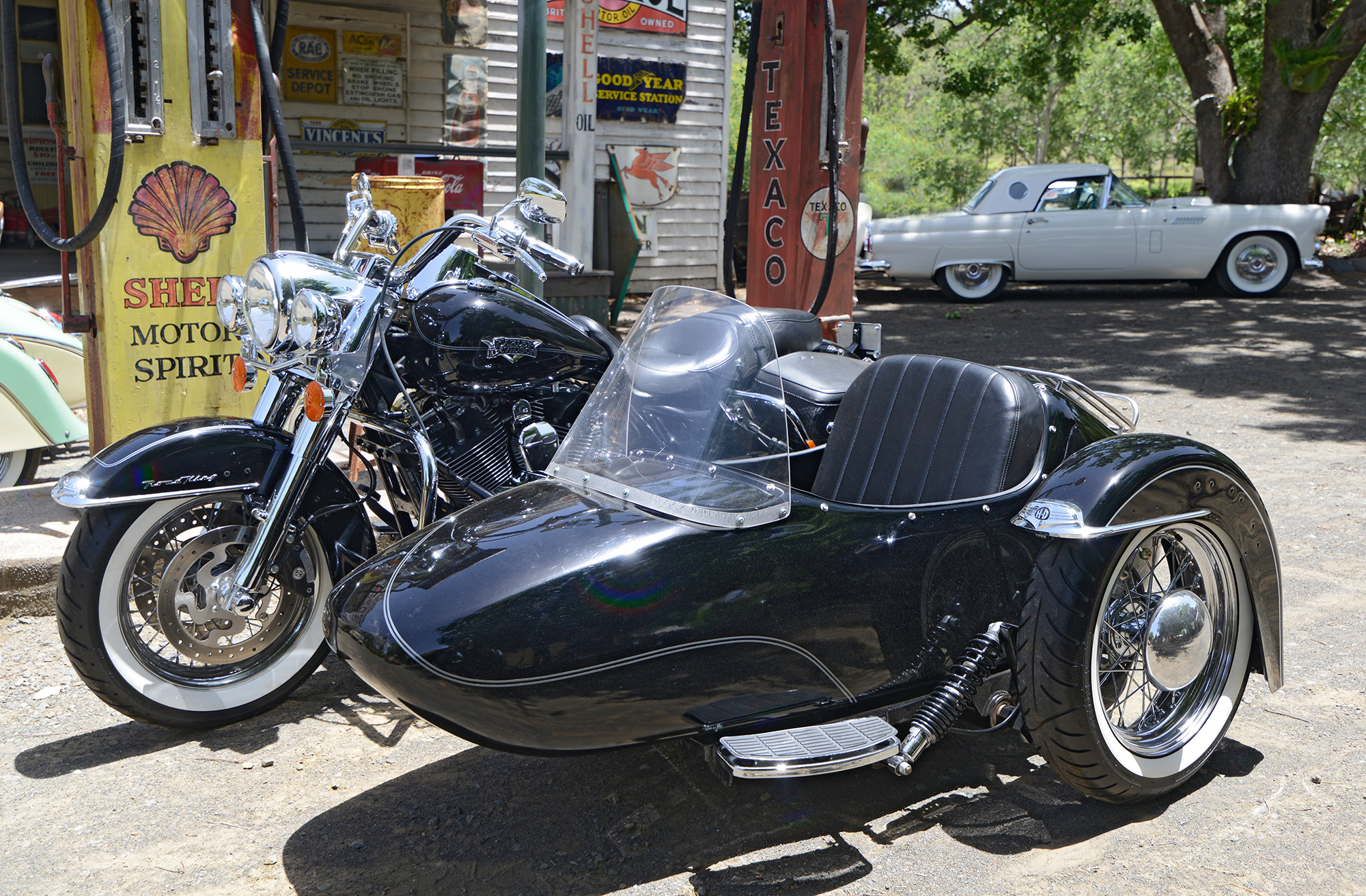
Along the way I’ve managed to have a ride on a 2010 model with a sidecar fitted, which was a very scary experience.
Loaners and Photo Bikes
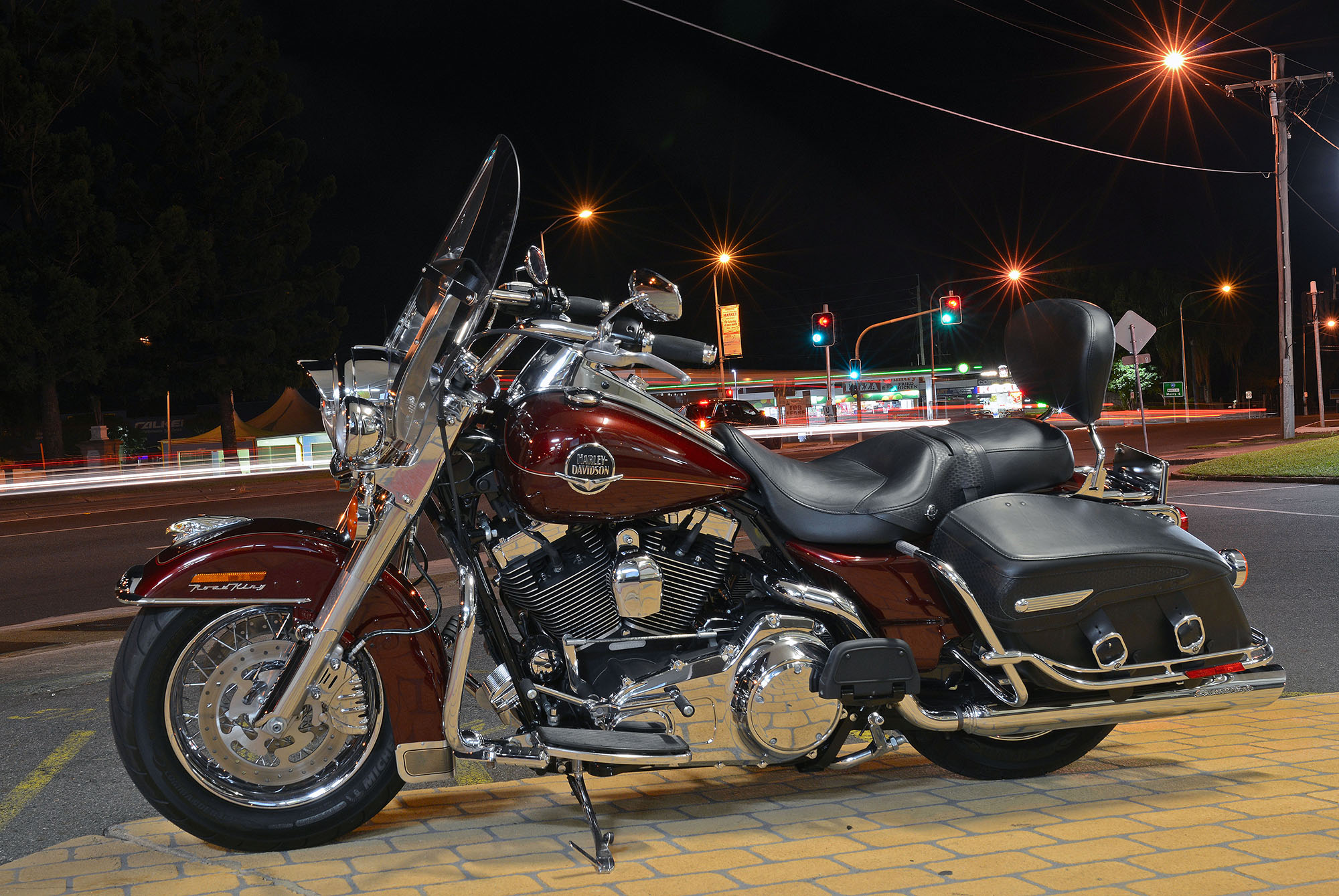
I’ve also thrown my leg over a number of loaners and bikes to be photographed for online features. More than a dozen in total.
With this rosy look back down memory lane after spending a few weeks on the 2020 model and evaluating just how far the mighty King has come, it struck me that it really has been quite an evolution that’s been absolutely fascinating to follow. It begs the question: how good will they be in 2038?